
Understanding Net Metering in Hawaii: What Changed and What It Means
Full retail net metering is gone—here’s how CGS+, Smart Export, and battery-first strategies shape Maui solar paybacks in 2026.
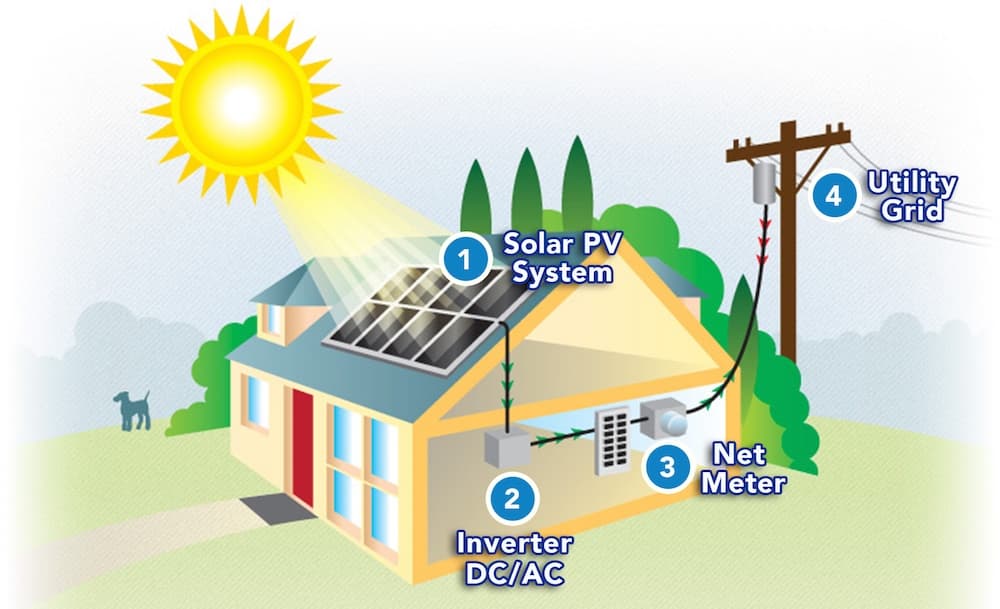
Hawaii pioneered net metering, but 1-to-1 retail credits closed in 2015. Today's Maui homeowners must plan around export-limited programs and batteries to maximize value.
Traditional NEM is closed to new projects. New systems receive non-retail export rates—roughly $0.15–$0.28/kWh depending on program and island—so exporting energy without storage produces far lower savings.
Current Programs (2026)
Customer Grid-Supply Plus (CGS+):
Smart Export:
Customer Self-Supply (CSS):
Mandatory Storage & Load Following
To maximize ROI, new Maui systems pair with batteries. Programs increasingly require “load-following” logic so batteries avoid exporting except during scheduled, high-demand periods. That ensures your solar offsets your own usage before sharing with the grid.
Grid Services & Quick Connect
Hawaiian Electric encourages battery participation in BYOD Plus or other grid-services calls. Quick Connect can still approve certain systems up to 25 kW, but they must obey program-specific export rules.
What It Means for Homeowners
Legacy NEM Customers
Existing NEM contracts remain grandfathered, but adding batteries before transitioning protects self-consumption if you switch programs later.
Related Posts
Ready to Go Solar?
Get free quotes from top-rated Maui solar installers and start saving today.