
Hawaii Electricity Rates: 25-Year Cost Projection for Maui Homeowners
With Maui rates at 46¢–48¢/kWh and the Big Island exceeding 50¢, Hawaii electricity costs could nearly double by 2050. See the projections and what they mean for your energy bills.
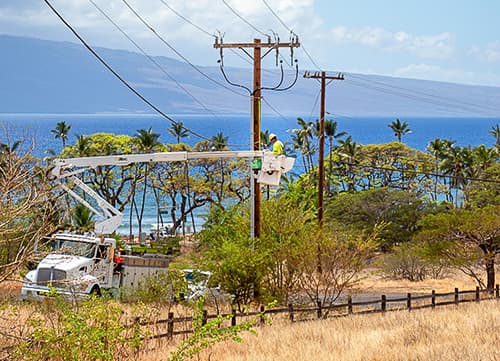
Hawaii residents already pay the highest electricity rates in the nation—roughly 3x the U.S. average. But what happens over the next 25 years? Understanding rate projections is critical for anyone considering solar, evaluating home purchases, or simply planning household budgets.
Current Rates: Where We Stand in 2026
As of early 2026, Maui Electric residential customers pay approximately $0.47 per kWh. For context:
Maui, HI
$0.47
per kWh
Hawaii Island
$0.52
per kWh
Oahu, HI
$0.42
per kWh
U.S. Average
$0.16
per kWh
Monthly Impact
Historical Trend: How We Got Here
Hawaii's electricity rates have increased at an average of 2.5%–3.5% annually over the past two decades. Key drivers include:
Imported fuel dependency
~70% of electricity from petroleum and coal shipped from the mainland
Grid infrastructure costs
Aging infrastructure requires significant upgrades
Renewable integration
Grid modernization for intermittent sources requires upfront investment
Geographic isolation
No interconnection with other grids means no backup supply options
25-Year Rate Projections: Three Scenarios
Based on historical trends and utility commission filings, here are projected rates under three scenarios:
Projected Electricity Rates ($/kWh)
Aggressive renewable adoption reduces fuel pressure
Based on historical averages
Continued infrastructure costs, slower transition
What This Means for Your Wallet
Over 25 years, a typical Maui household (500 kWh/month) will pay:
Total Electric Bills Over 25 Years (500 kWh/month)
The Bottom Line
Why Solar Changes the Equation
Here's the key insight: solar locks in your electricity cost at today's rates.
When you install solar, you're essentially prepaying for 25+ years of electricity at 2026 prices. While your neighbors watch their bills climb toward $500–$600/month, your effective rate stays flat.
Without Solar
~$97,000
25-year utility cost (3% scenario)
With Solar
~$26,000
Net cost after incentives
Your Savings
$71,000+
Plus system keeps producing
The Hidden Benefit: Inflation Hedge
Solar isn't just about saving money—it's about predictability. With utility rates, you're exposed to:
With Solar
Factors That Could Accelerate Rate Increases
Grid hardening
Post-wildfire infrastructure investments
EV adoption
Increased demand requiring grid upgrades
Battery storage mandates
Costs passed to ratepayers
Stranded asset costs
As customers leave for solar, remaining customers bear more infrastructure costs
Climate adaptation
Storm hardening, undergrounding lines
Factors That Could Slow Rate Increases
Renewable cost declines
Solar and wind now cheaper than fossil fuels
Battery cost reductions
Grid storage becoming economical
Reduced fuel imports
Less exposure to oil price volatility
Distributed generation
Customer solar reduces utility infrastructure needs
Key Takeaways
Rates will increase
The only question is by how much
Moderate scenario (3%)
Rates double to ~$0.98/kWh by 2051
25-year utility cost
$90,000–$128,000 for average household
Solar advantage
Lock in today's rates and avoid 25 years of increases
Act sooner
Every year you wait, you pay increasing rates without protection
Additional Reading
For detailed historical rate analysis, see the Ten-Year Annual Rate Increase Analysis of Hawaii Islands from Energy Toolbase.
Calculate Your Savings
Use our Solar Calculator to see your projected savings based on your current electric bill. The calculator factors in the 3% annual rate increase when projecting your 25-year savings.
Open Solar CalculatorRelated Posts
Ready to Go Solar?
Get free quotes from top-rated Maui solar installers and start saving today.