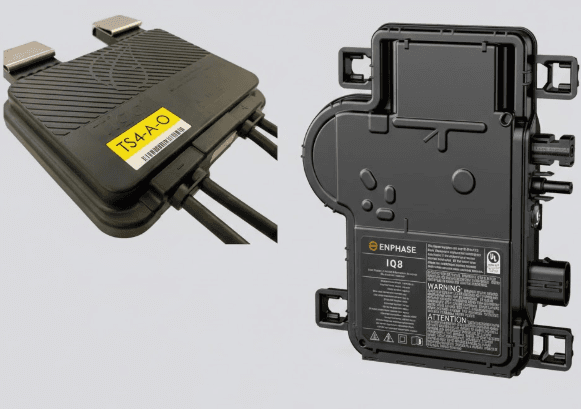
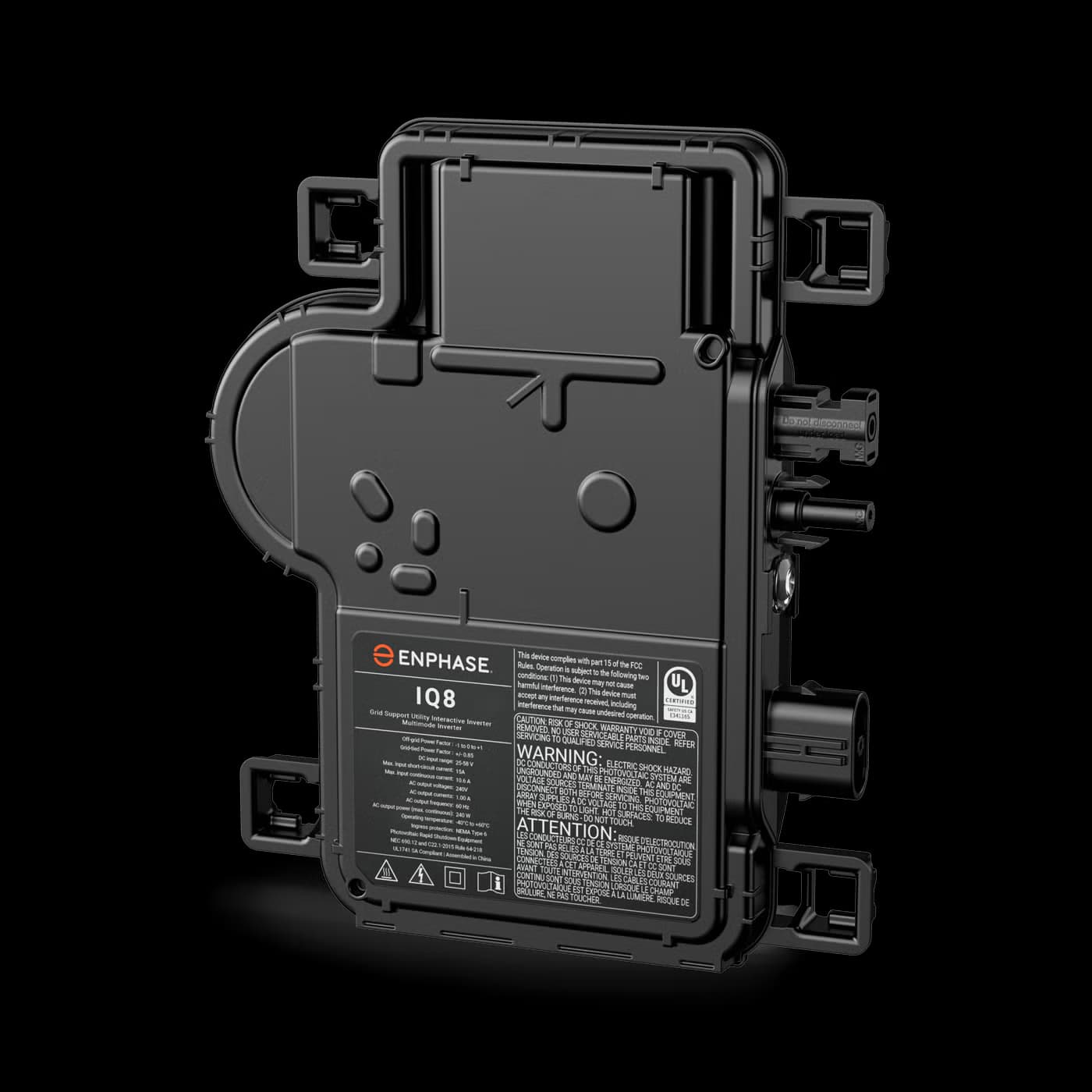
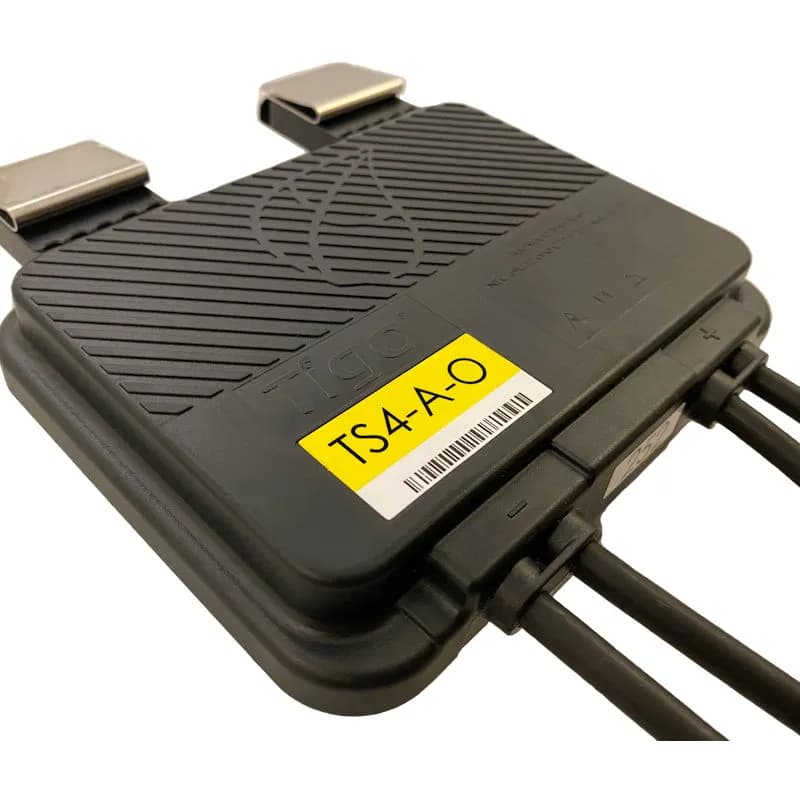
Module-level power electronics (MLPE) are no longer optional on Maui rooftop systems—Rule 14H rapid shutdown, mixed roof planes, and hurricane-season resilience make them the backbone of new projects. Two approaches dominate: Enphase IQ8 microinverters and Tigo TS4-A-O optimizers. Here’s how they differ for island installs.
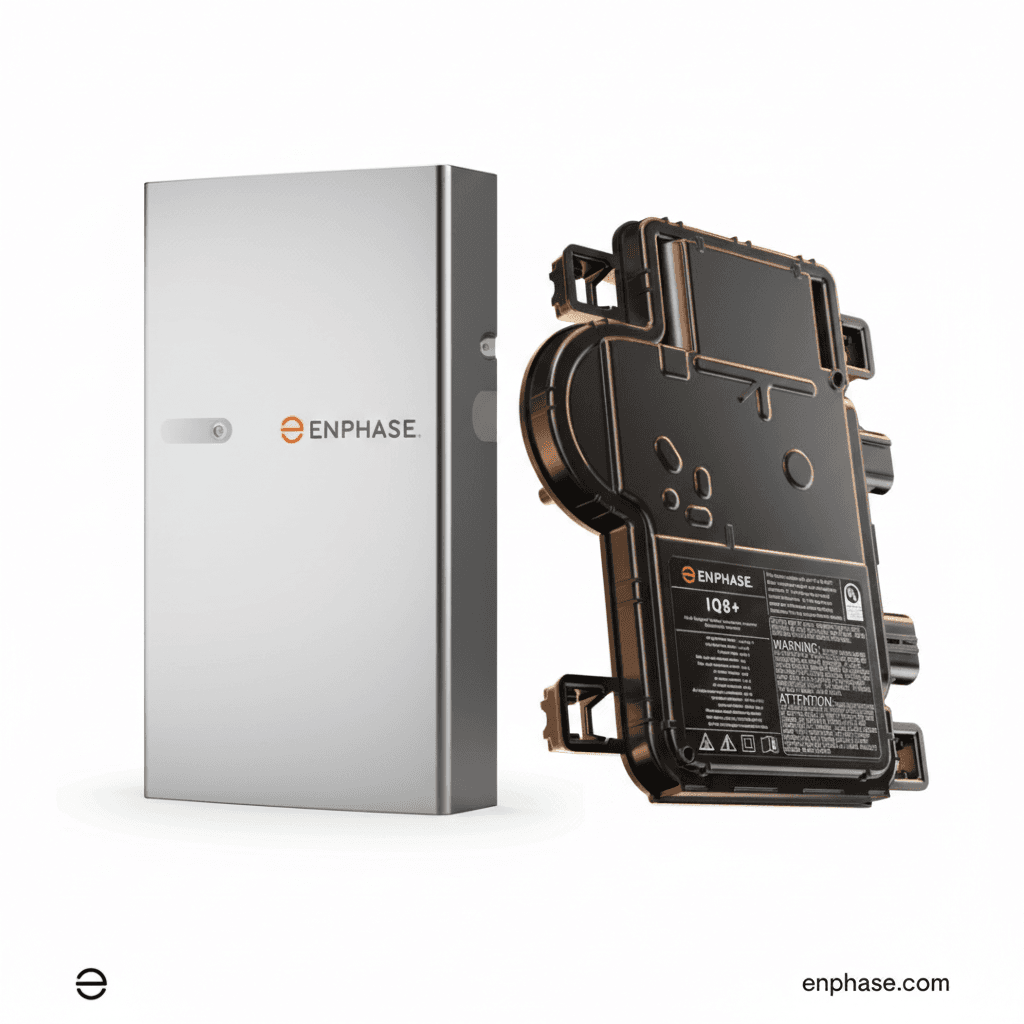
Enphase IQ8 microinverters pair with IQ Battery 5P blocks for modular growth
**Complex Roofs & Shade:** Enphase’s per-module AC conversion keeps every panel online regardless of roof orientation, ideal for Lahaina or Upcountry shade pockets.
**Budget-Conscious Retrofits:** Tigo’s selective approach lets you treat only the problematic strings, cutting BOM costs on larger roofs.
**Battery + Backup Plans:** Enphase IQ8 systems pair seamlessly with IQ Batteries for microgrid-forming backup. Tigo integrates well with hybrid inverters or Tesla Powerwall strings where a central inverter is already planned.
**Installer Ecosystem:** Most Maui installers carry Enphase-ready crews; Tigo shines when crews already standardize on string inverters but need rapid shutdown and shade mitigation.
Video: Microinverters vs Optimizers Explained
Bottom Line
If you want maximum resilience, panel-level visibility, and AC rooftop safety, Enphase microinverters deliver—especially on multi-plane or shaded roofs. When cost-per-watt is king and you only need to tame a few troublesome strings, Tigo optimizers strike the right balance. Talk to your installer about shading studies, battery roadmaps, and interconnection requirements before locking in either MLPE path.